Suzanne Green had no idea that her inquiry into a NYSEG Smart Meter would lead to a cozier house and more money in her pocket. However, this is exactly what happened! While attending Ithaca Festival in 2019, Suzanne ran into a friend who was an Energy Navigator with Get Your Greenback Tompkins (GYGB). She asked him how to get a Smart Meter, having heard about them through a neighbor, but learned that she didn’t qualify for this particular program. Suzanne started talking to other volunteers at the GYGB table and found out that she might qualify for one or more state-funded programs that offer free energy efficiency solutions for income-eligible New Yorkers. This discovery led her on a journey to greater savings and comfort, with an Energy Navigator named Max as her guide.

When you ask someone what energy improvement they want to make in their home the answer you often hear is “Windows!” People want replacement windows because they often look nicer, work better than the old ones they want to replace, and because they think they can save energy on new windows.
You will save energy on new windows, but the problem is they don’t always pay for themselves in energy savings over the life of the window (usually about 30 years). These windows may look nicer, and open easier, and maybe even be less challenging to clean, but don’t replace your windows just because you think you’ll save money on energy costs in the short term… In some cases you won’t realize a cost savings for decades.
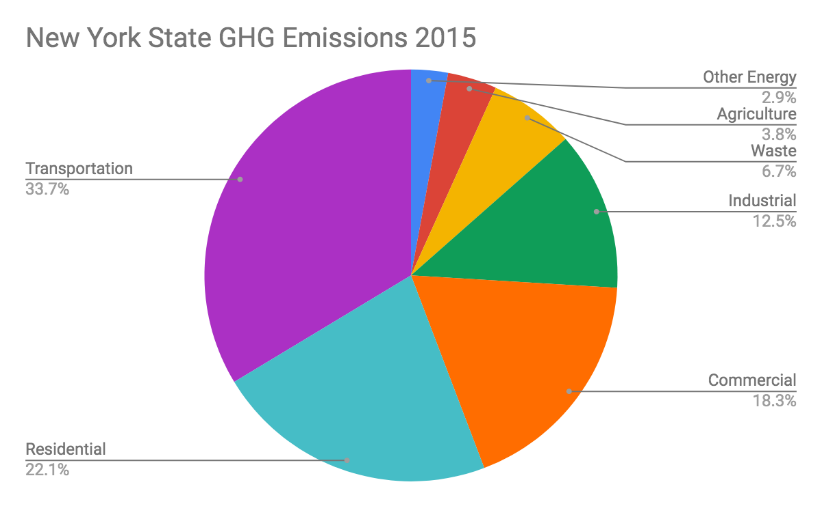
In this article, Phil Cherry lays out multiple connections between energy and the environment, and shows how our choices about energy use can either help or harm the living environment around us.
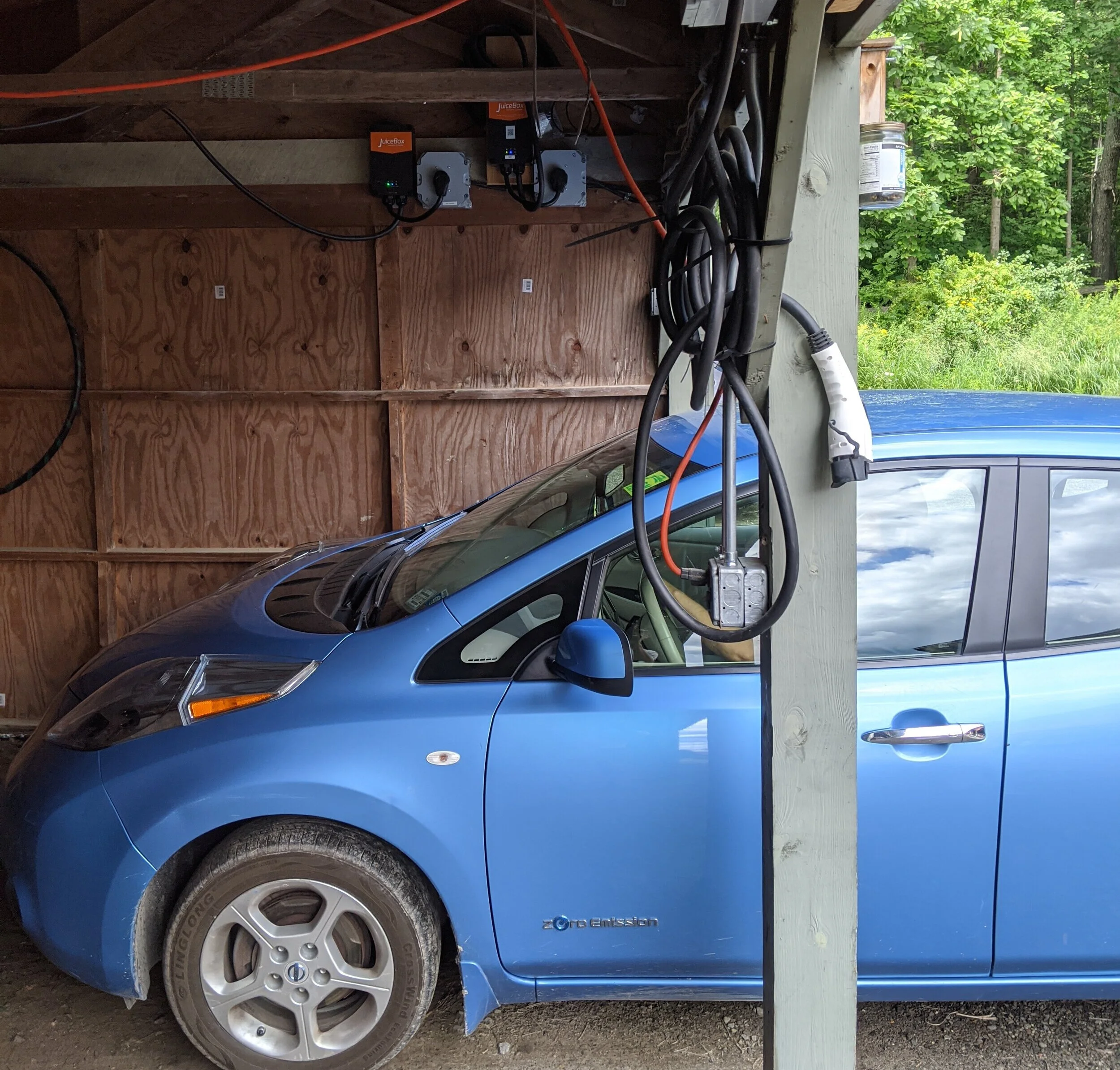
EcoVillage-Ithaca is a 100 residence community on West Hill, established over 20 years ago and home to approximately 220 people. The community was established with a strong environmental commitment and homes in the three neighborhoods reflect some of the best practices in energy conservation that existed at the time of their construction.
Starting a few years ago residents began purchasing electric vehicles, either full electric or plug-in hybrids. Charging was a hit or miss thing with some carports wired with 110V or 220V, some not and some residents with carports and some without. Two years ago we embarked on a program to develop a more robust vehicle charging infrastructure and extended 220V wiring to carports housing 30 vehicles. One immediate consequence was a rapid increase in the number of electric cars, it was a “build it and they will come” moment.

An energy audit is not like an IRS audit! It’s nothing to be afraid of, and in fact it may actually save you money. An energy audit is also often called an “energy assessment” – because it assesses the energy efficiency of your home and identifies areas where your house is leaking heat on cold days – or cool air on summer days, or maybe wasting electricity on outdated lighting or older refrigeration equipment.
While Natalya is a naturally outgoing and warm-hearted person, she was still a bit nervous this last December as she embarked on her first home energy visit as a volunteer Energy Navigator. She was going to visit Diane, who had reached out to Get Your GreenBack Tompkins, after receiving a postcard from NYSEG advertising the services of volunteer Energy Navigators. Diane was interested in free energy advising, which Navigators offer in person, or over the phone or email. Diane had requested a visit in person. Natalya was worried that she might not remember enough of the information about energy actions and programs that she had learned during her training to be of help to Diane.
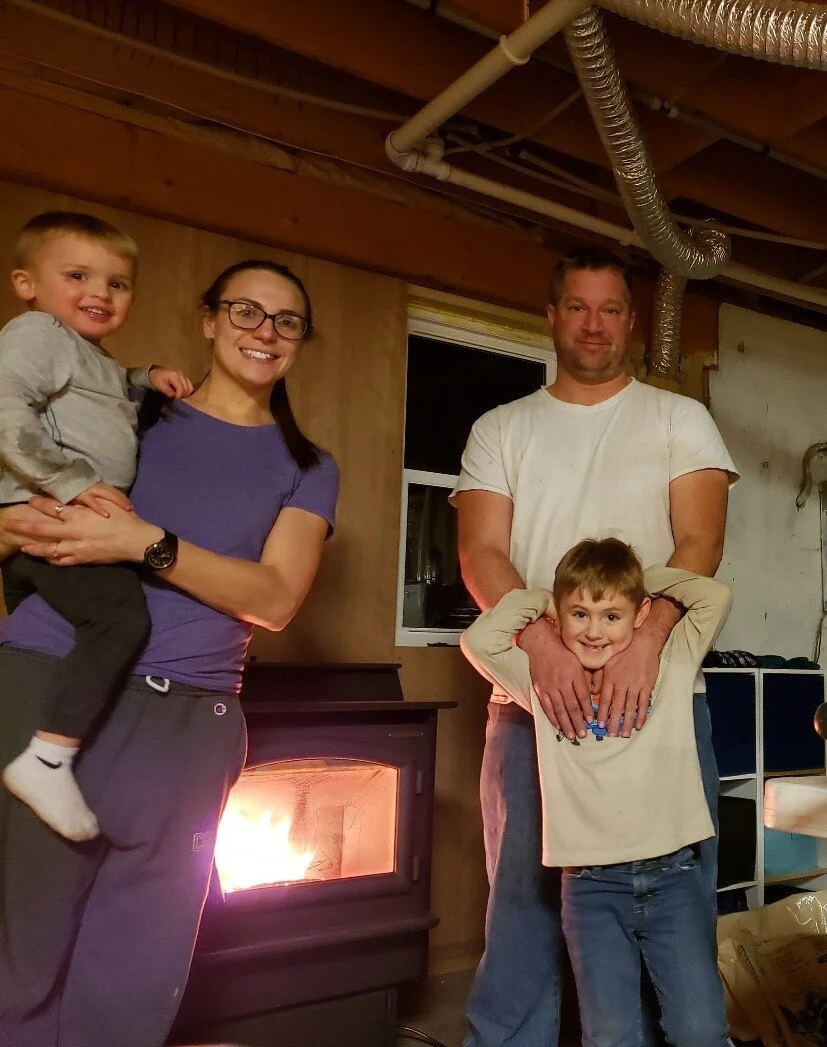
Marc and Heather have two wood pellet stoves to heat their home, one smaller one upstairs and one larger one in the basement; the stoves are their only heat source. Last winter the bigger stove died so they made do with just one stove, the smaller upstairs one, and it was quite cold and uncomfortable.
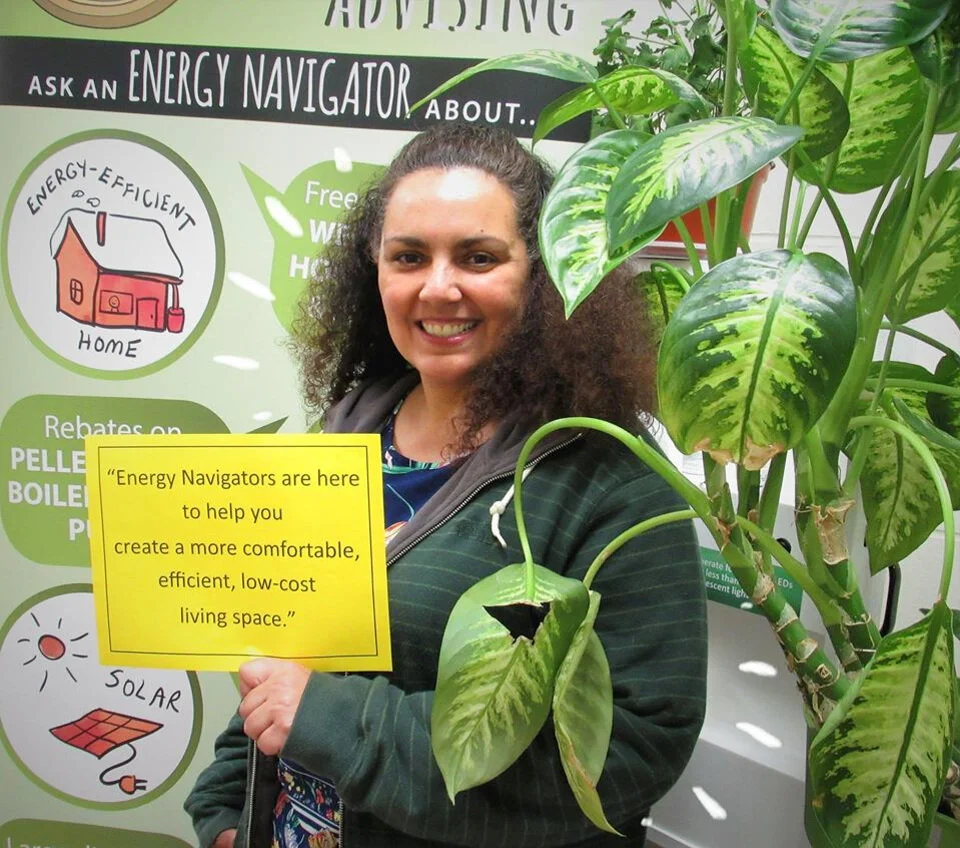
Training for the Energy Navigators program takes place in the spring. Volunteering for the Energy Navigators program is a great way to help others reduce their energy bills and costs, in addition to learning more about sustainable energy. Here are four reasons why Energy Navigators have decided to participate in the program.
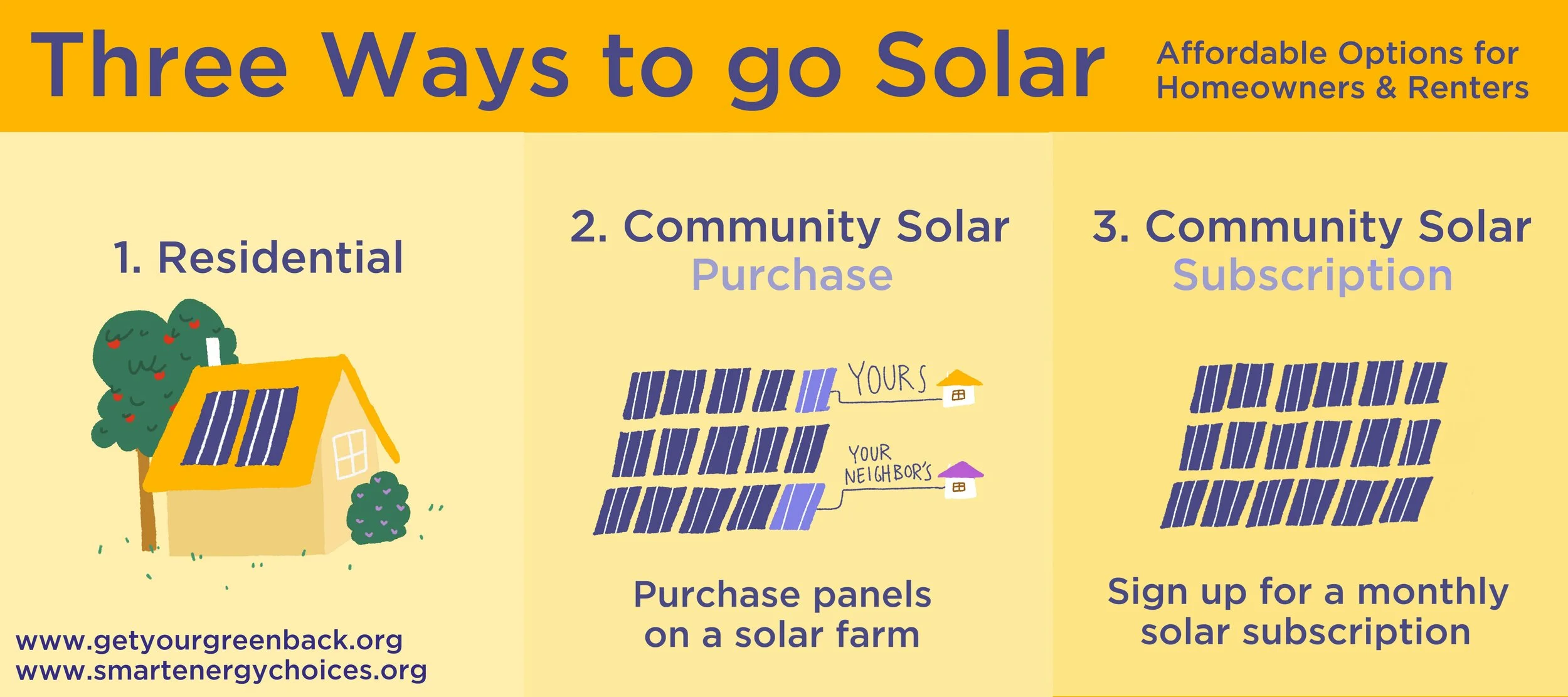
Solar energy seems to have really hit its stride. If you are like me, you receive letters at home weekly with what sound like great deals on solar installations for your home. You’re seeing solar systems on every ride you take through the country and your reading about massive solar farms being built that will furnish electricity to thousands of homes. So, what’s the deal?
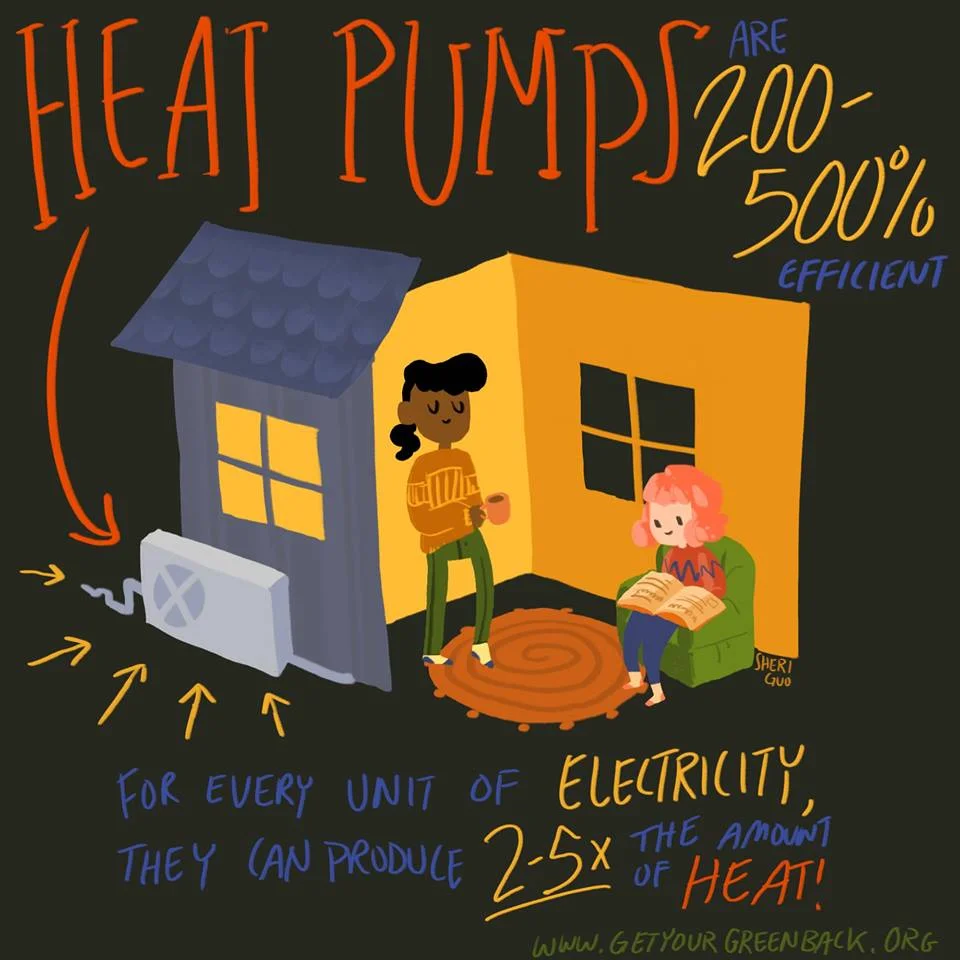
If you’ve been wanting to switch over to a renewable and affordable way of heating your home, but have worried about not being able to afford it, you may want to sit down and read this post twice. In the last few years we have gone from having no incentives for air-source heat pumps, to being able to cover at least half their cost for some households. There are now four incentives--two of which are new as of September 2019--that, used together, may make air-source heat pumps a reality for many households in the Tompkins County area:
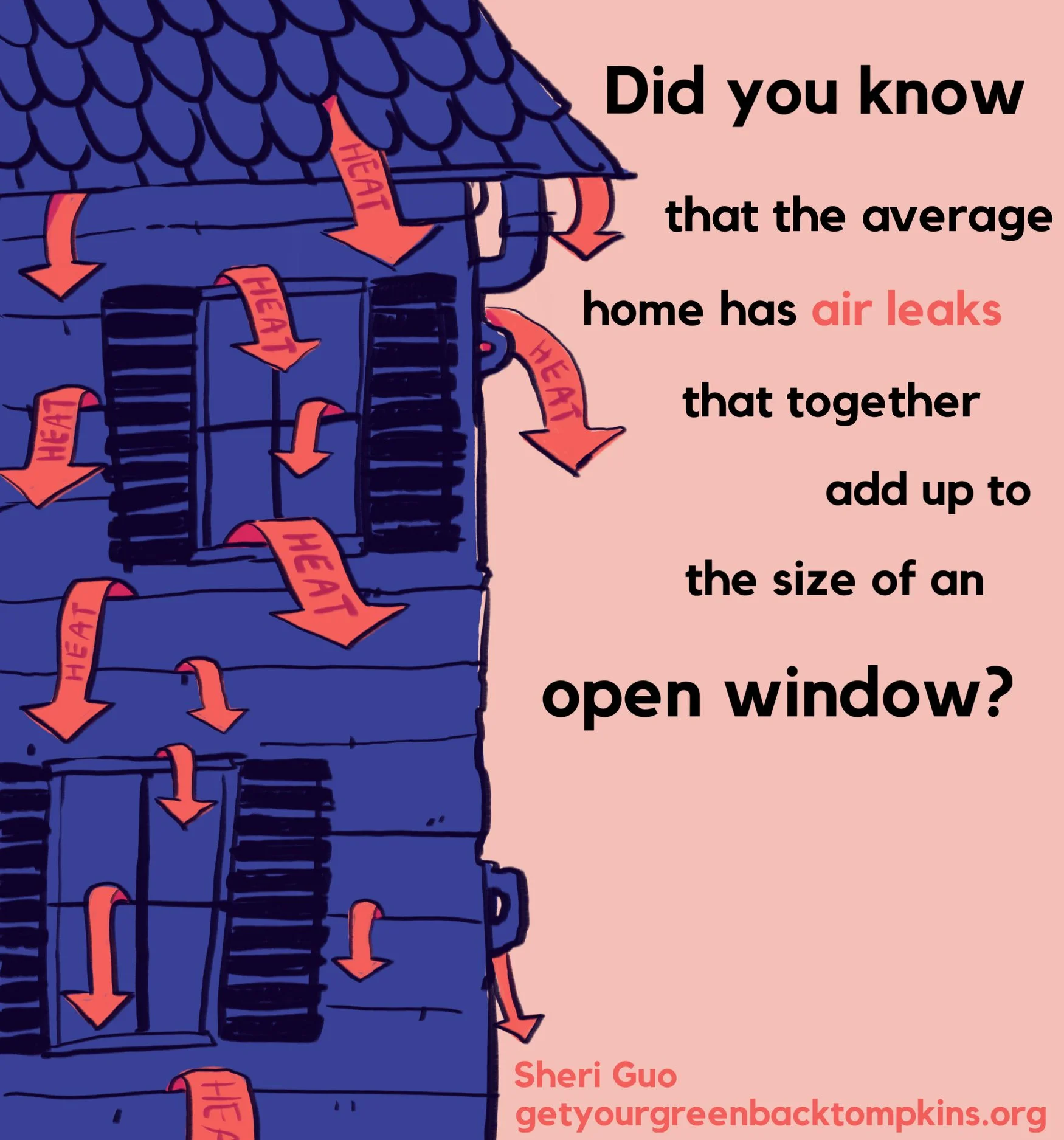
It’s that time of year when we start to think about falling temperatures and the need to stay warm for the winter. Some folks simply beat the weather and travel to Florida or elsewhere to get away from it, but the vast majority of us hunker down, dress warmly, plan for the Holidays and start saving money for those pesky heating bills.
There is, however, another approach to consider.
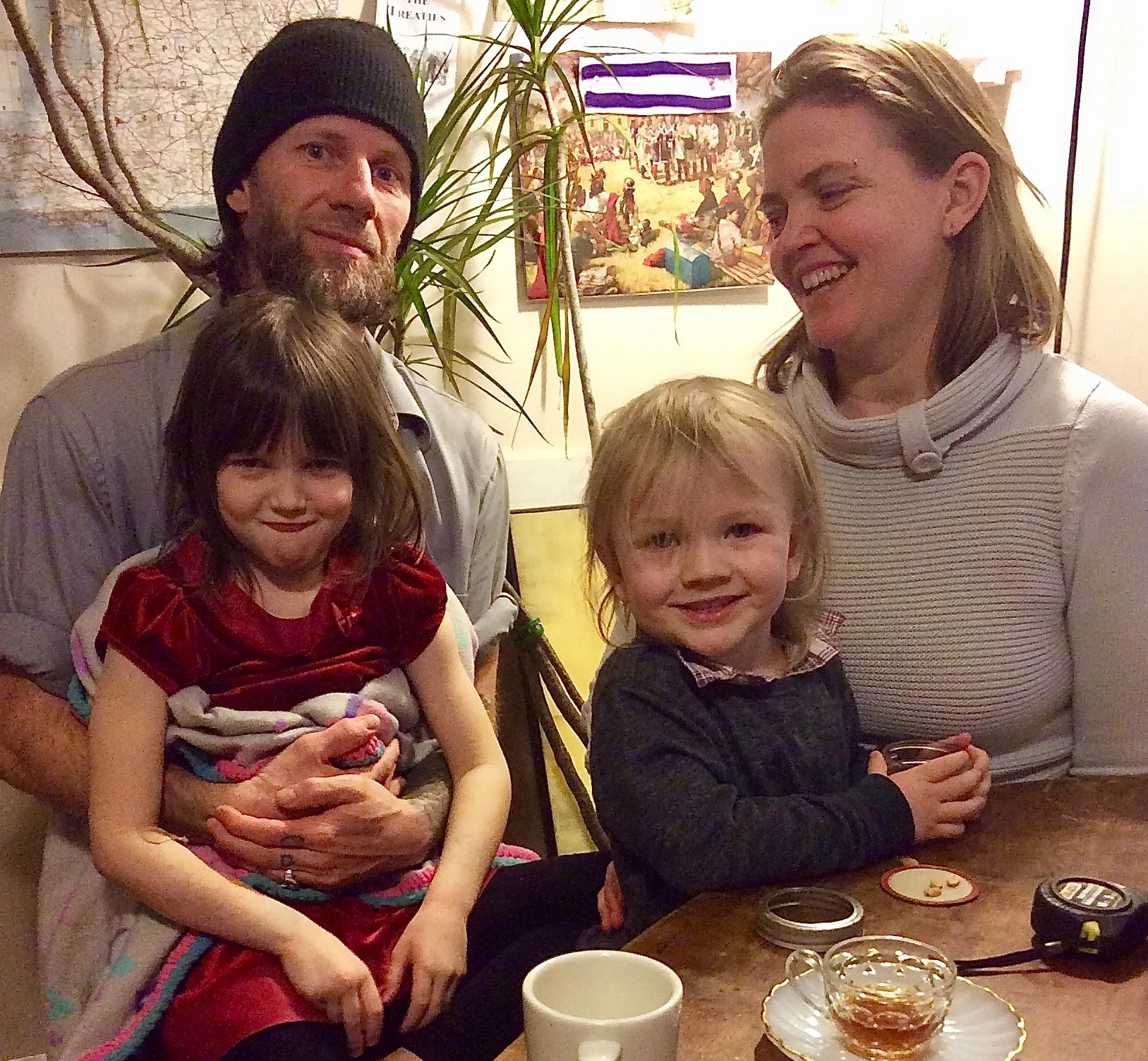
Energy-efficiency work is a great way for homeowners to save money and energy while increasing the comfort of their home, and there are a number of incentive programs to help them pay for the work. But what about the close to half the residents—45.5%—who rent in Tompkins County?
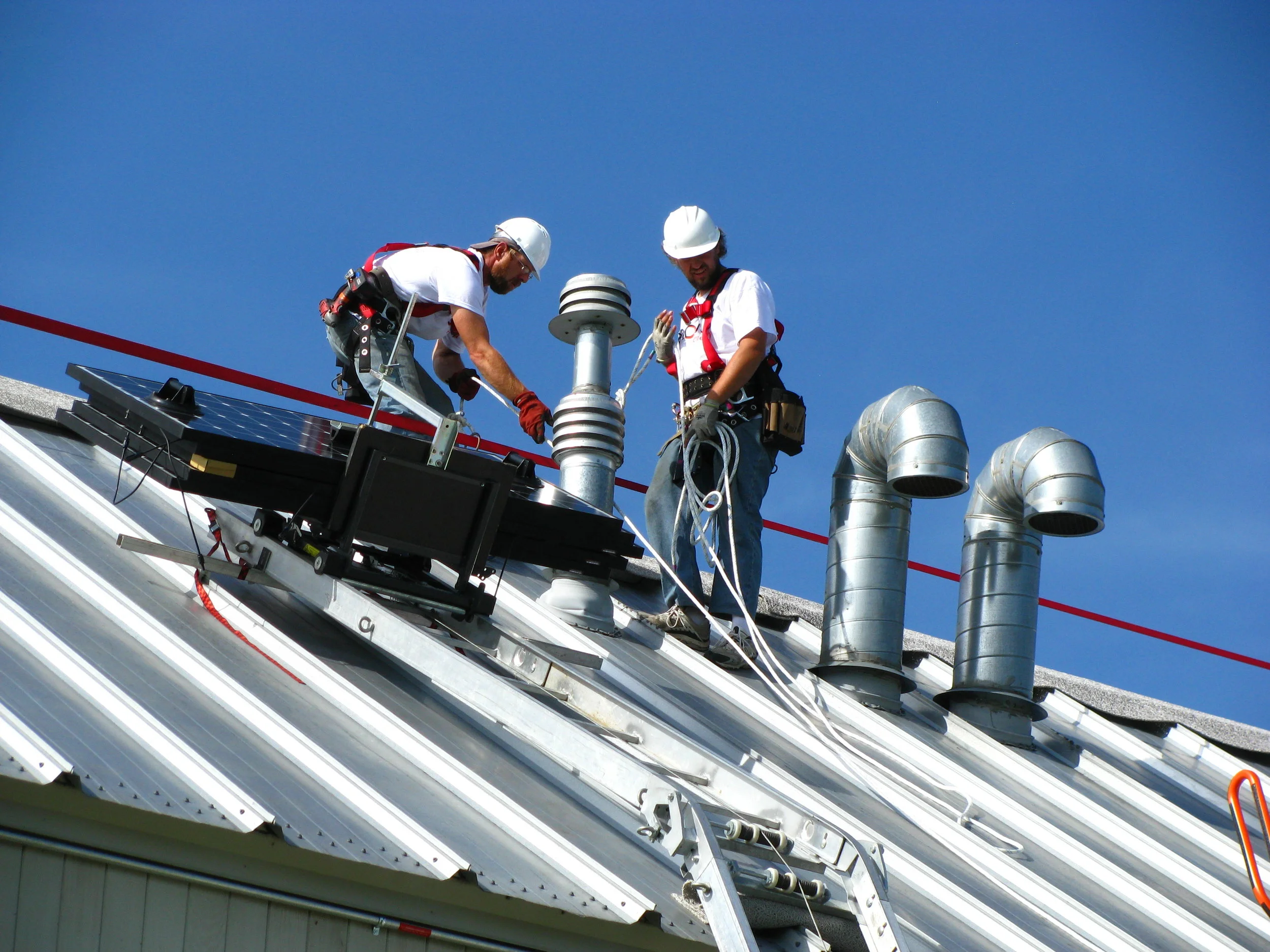
Many communities are choosing to pursue climate goals, focusing on renewable energy and energy efficiency to reduce carbon emissions and combat the growing threat of climate change.
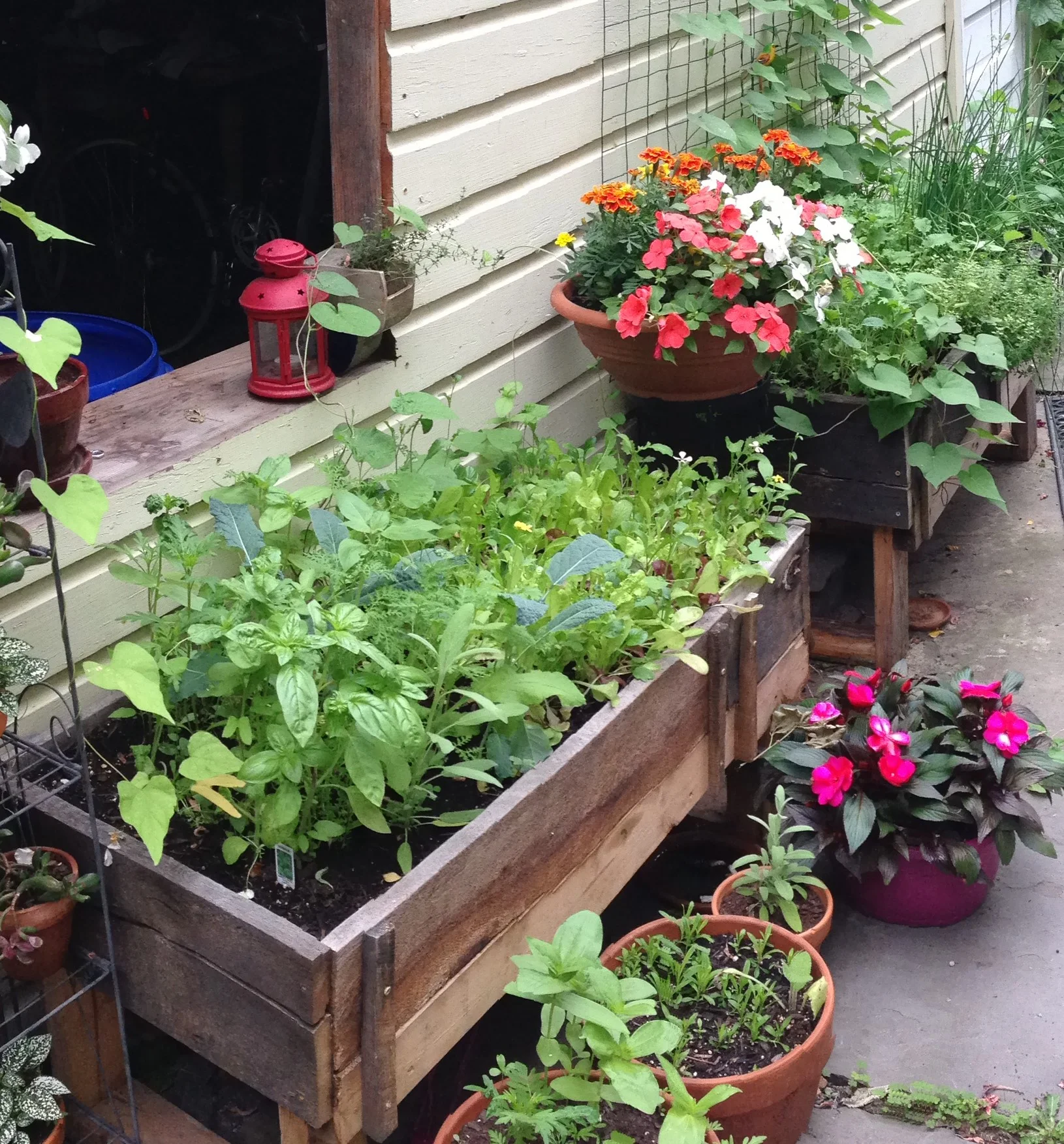
Want to know how you can get your green thumb back? Check out the five best ways you can create or expand your garden this summer!
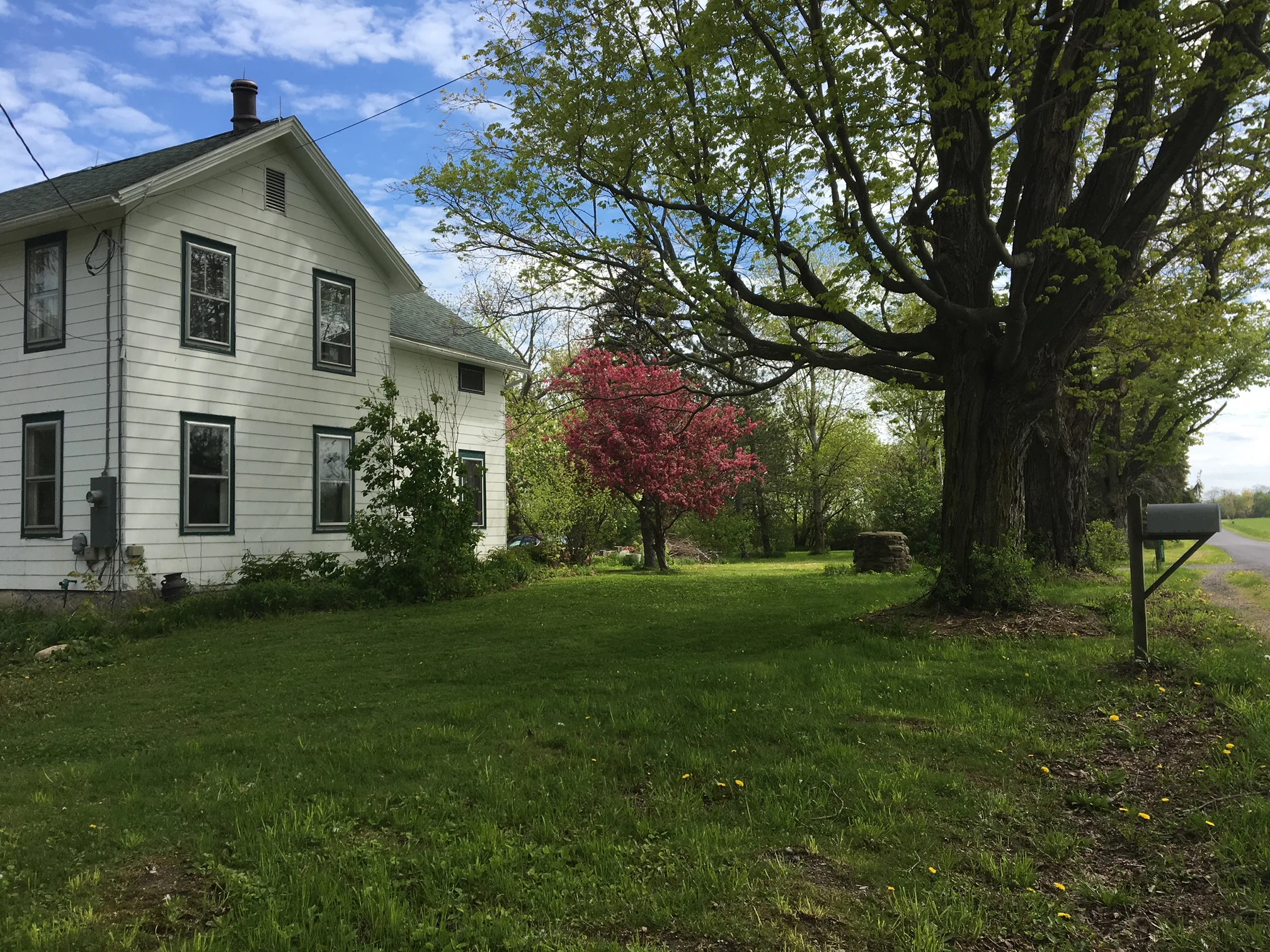
Marianne Pelletier and her wife couldn’t walk around their Enfield farmhouse barefoot because it was so cold.
“It was cold,” she said. “You couldn't walk around barefoot, so I was slowly doing things myself, like fixing windows...but it still wasn’t getting far enough fast enough.”
In 2011, Marianne worked with a local energy contractor to insulate her home. She also purchased a new furnace and a wood stove. These changes not only made her home more comfortable, but cut her annual heat-related energy expenses in half.
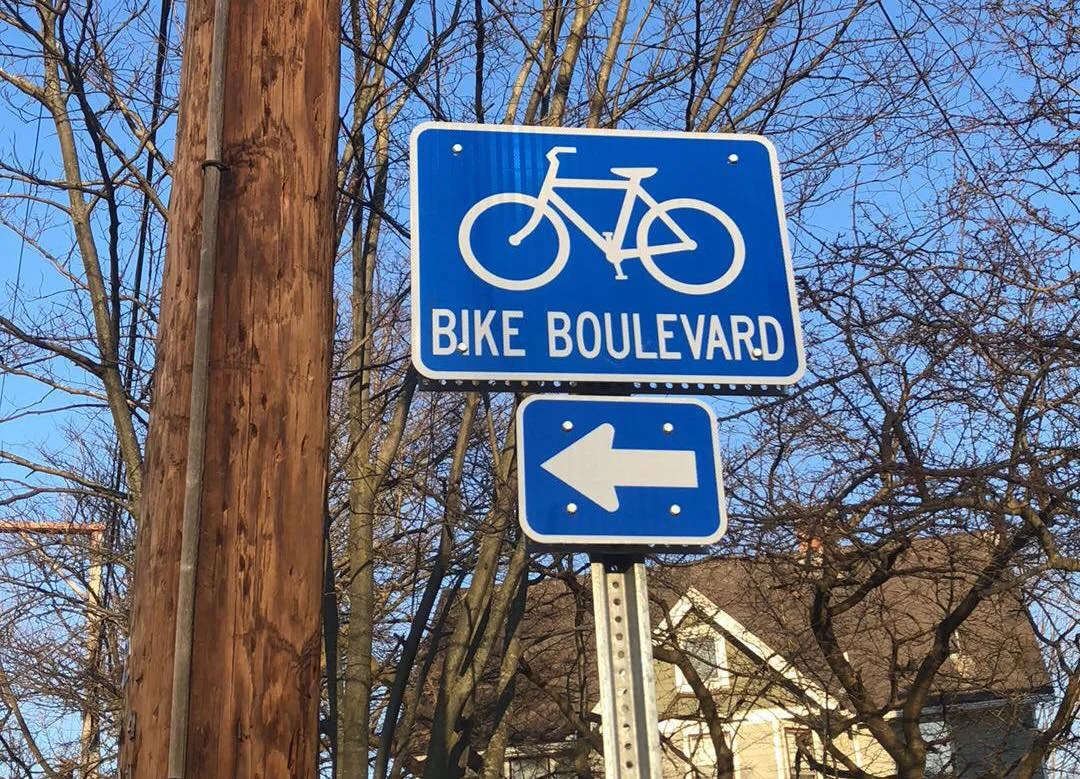
Ithaca's hills and cold, rainy weather are the reason commonly invoked to explain why more people don't use bicycles for transportation. But if the weather isn't improving and the hills aren't going anywhere, why has Tompkins County seen the number of people riding bikes increase significantly in the last decade?
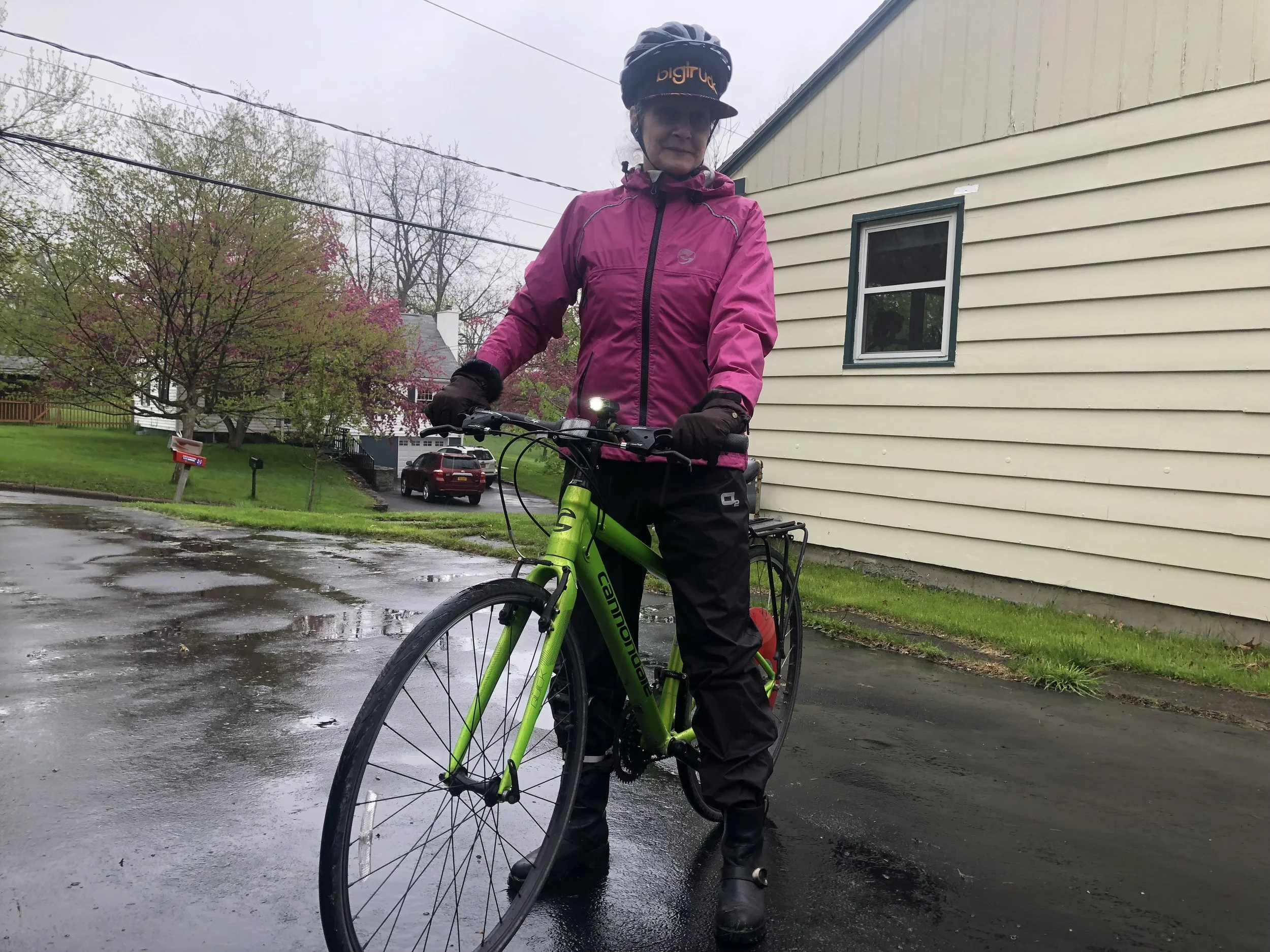
Judy Swann’s love of biking developed during her childhood and college years in Iowa. Now, she relies exclusively on active transportation — walking and biking — to get around Ithaca. The only difference, she said, are Ithaca’s hills, which a small motor on her bike helps her tackle.
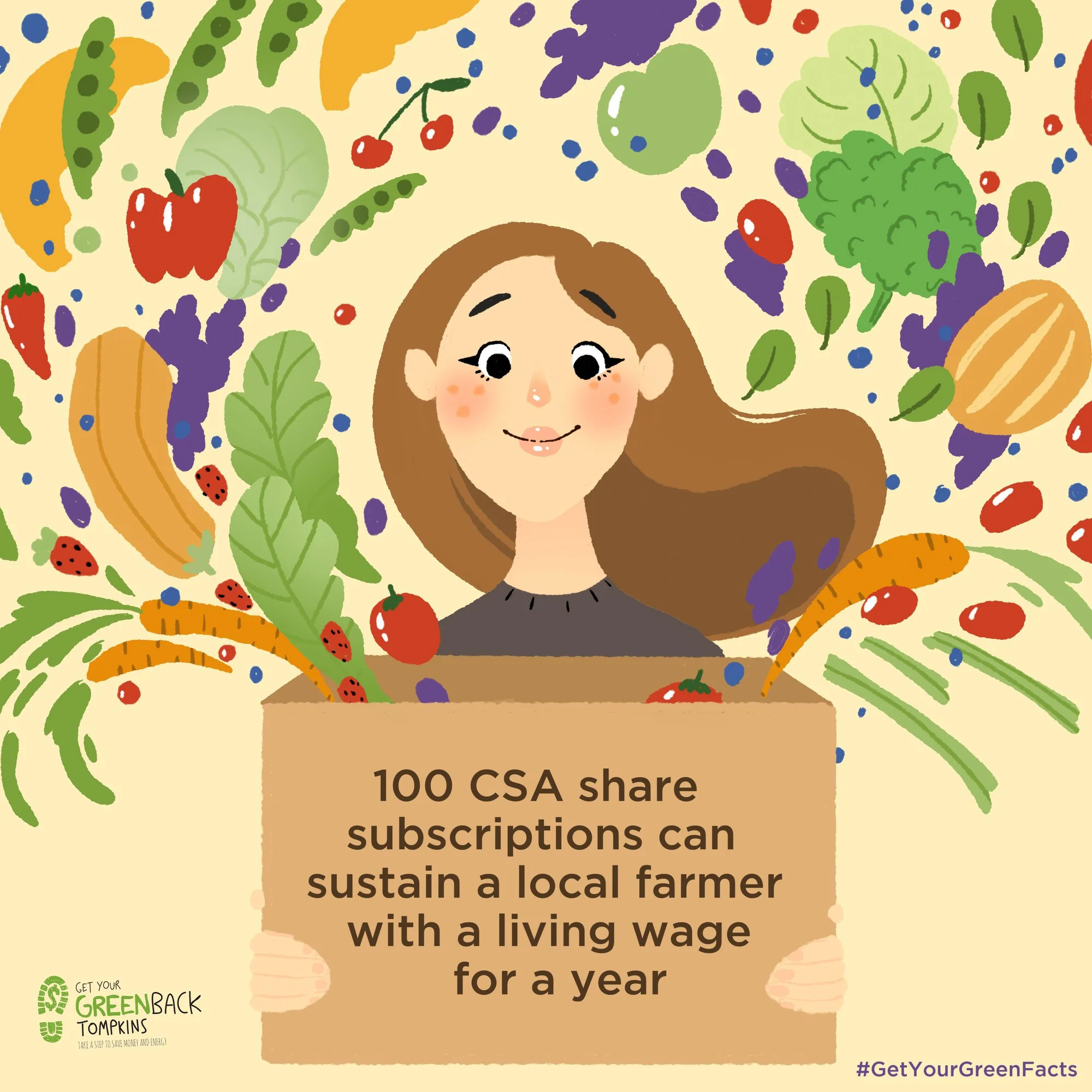
Community Supported Agriculture (CSA) is a partnership between farmers and consumers. CSA members join a farm early in the season by purchasing a share of that farm’s products in advance. In return, members get a weekly share of fresh fruit or produce from the farm, which they can pick up on the farm or at other locations in the community.
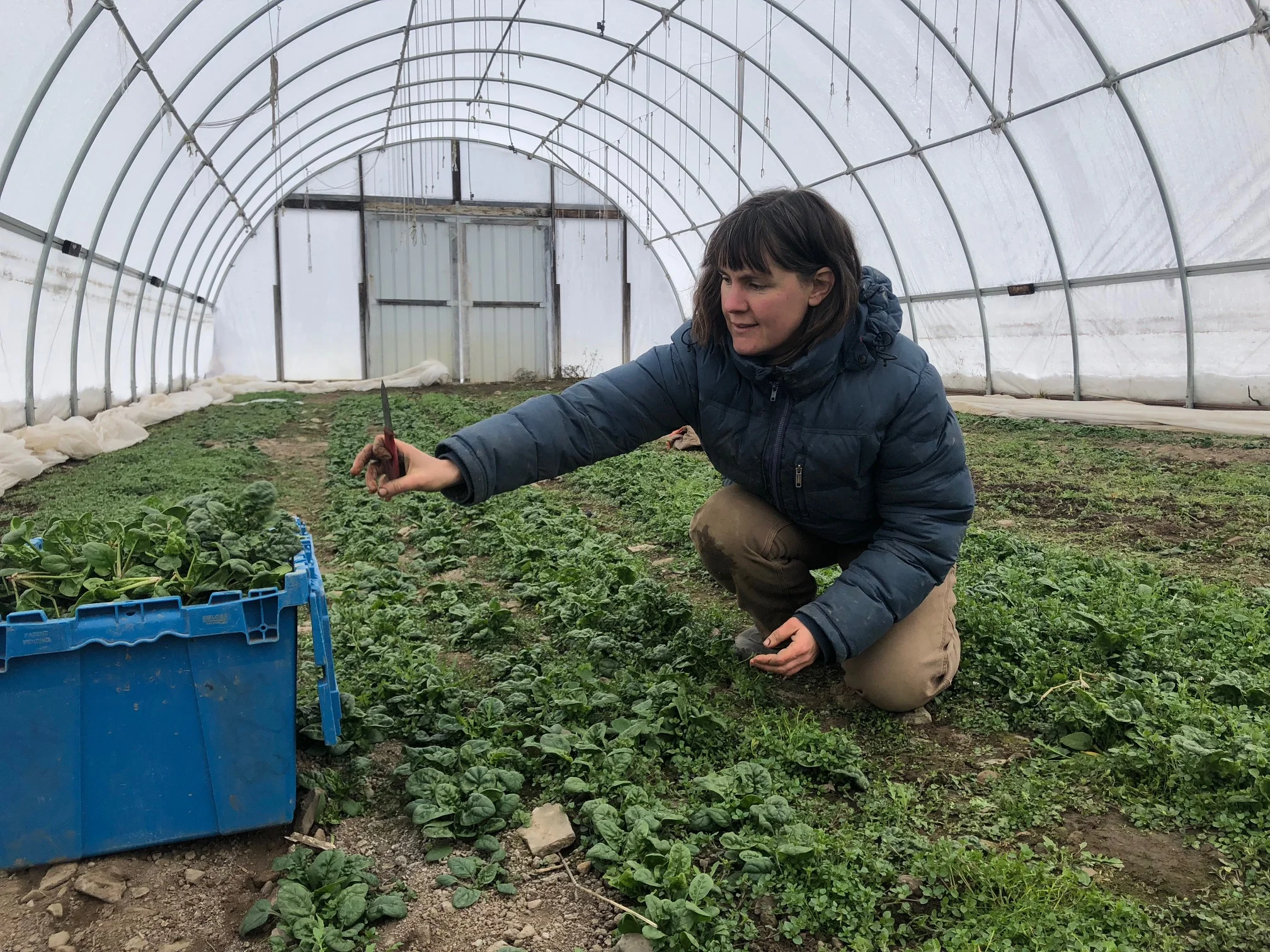
Christianne White first started her Community Supported Agriculture (CSA) subscription with The Full Plate Farm Collective because she wanted to maintain a healthier diet and support small farms.
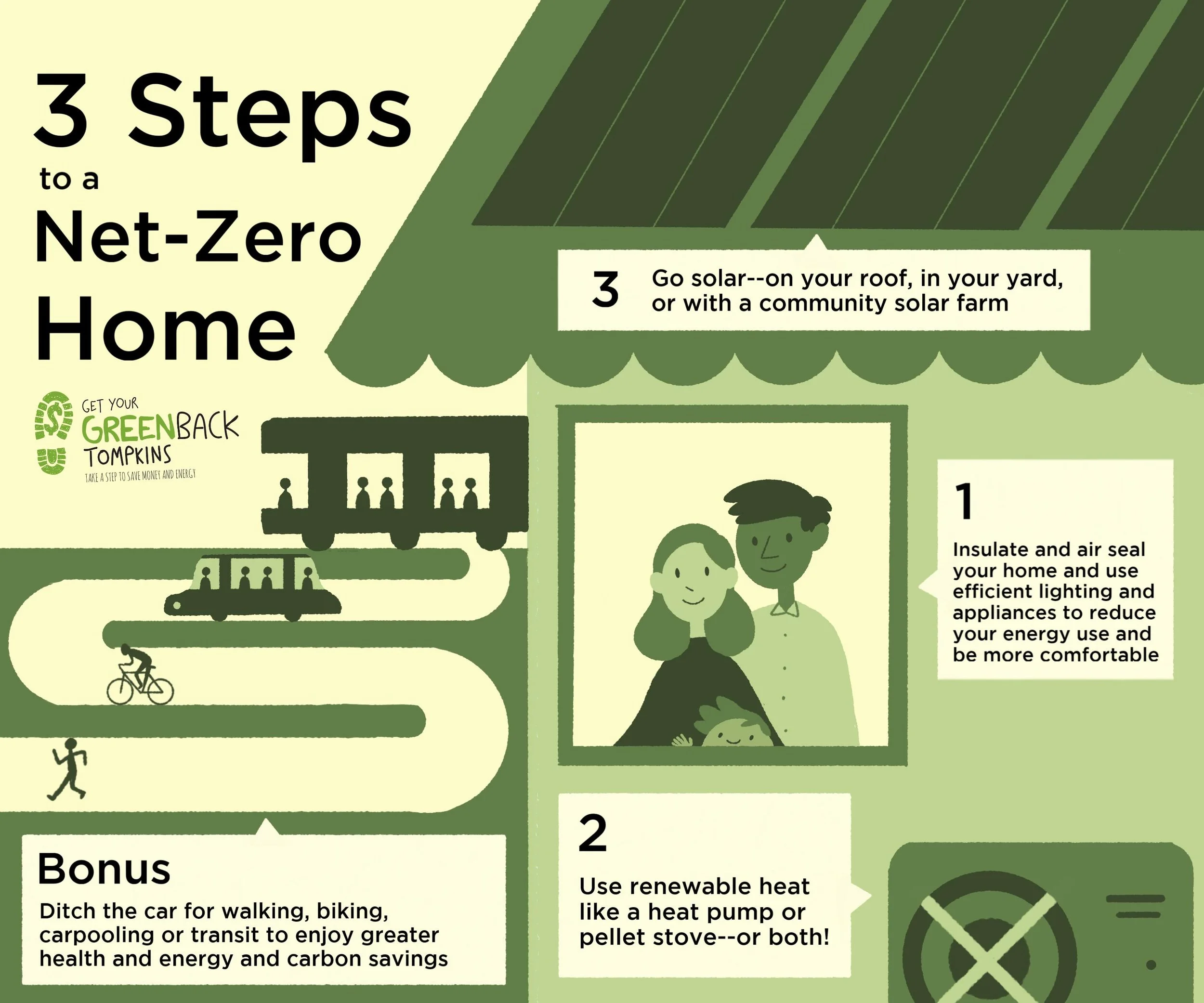
A net-zero — or zero carbon — home is a residence which is powered and heated entirely by renewable energy. Since all of the energy comes from renewable sources, often from solar power, the home generates no carbon pollution. These homes are also highly energy efficient. There are more and more homes in Tompkins County that are going net-zero — maybe even one of your neighbors!
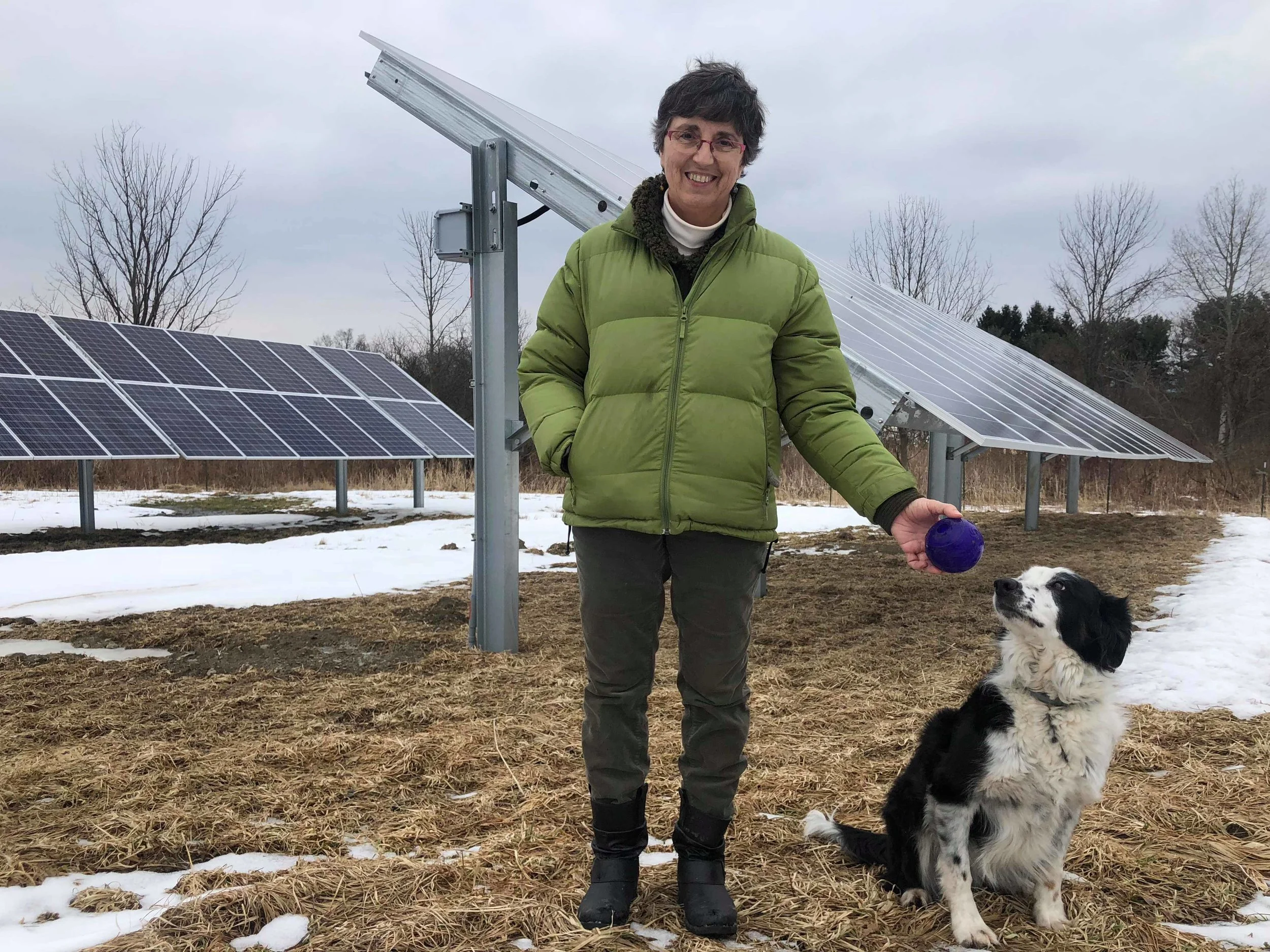
Lisa Ferguson, owner of Laughing Goat Fiber Farm, first became interested in raising livestock through a childhood passion for knitting. As her business grew, Lisa turned to different energy-saving techniques to make her home and farm more energy efficient.
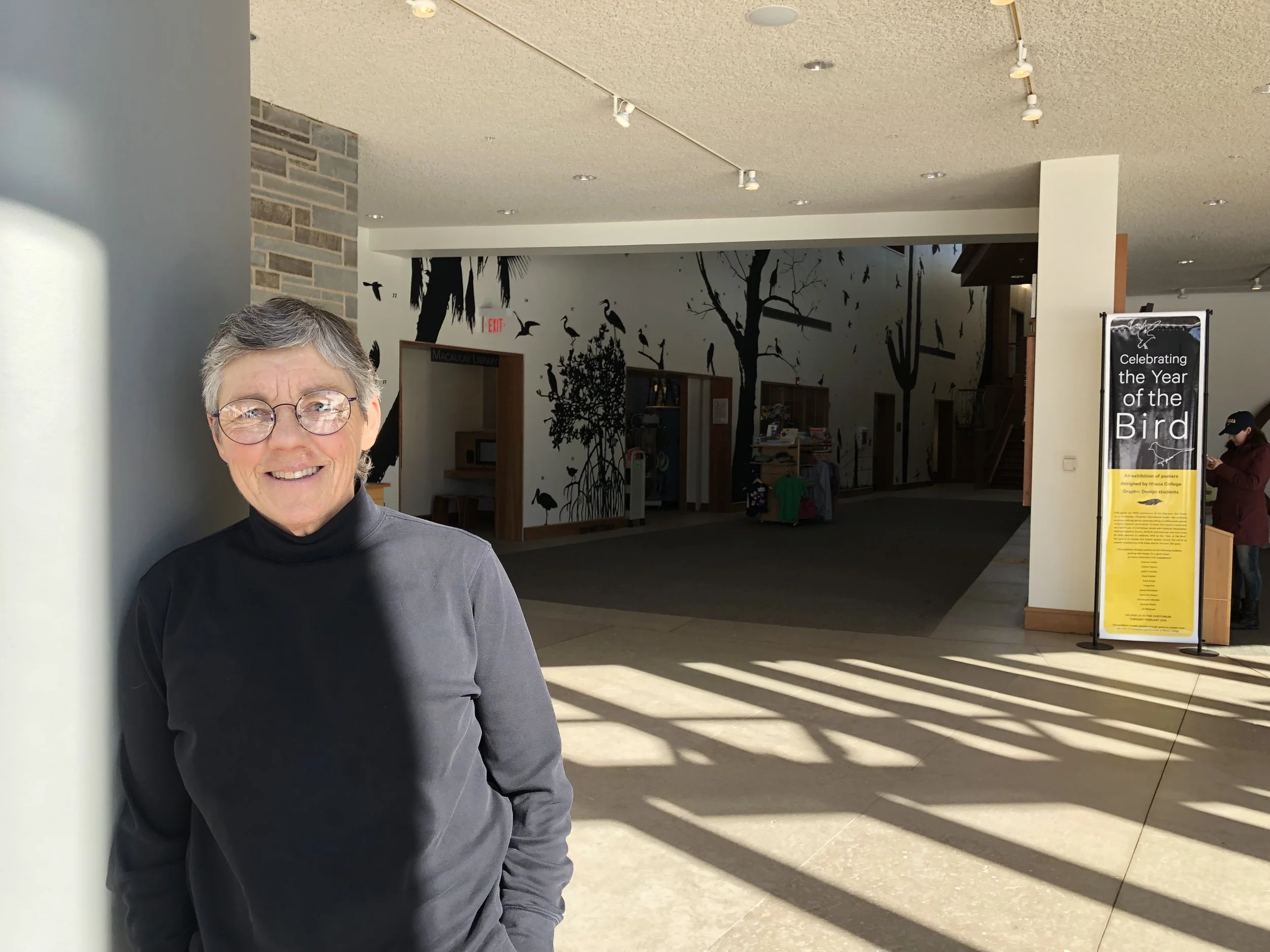
Sharon Guardiola did not expect that a phone call inquiring about LED light bulbs would lead to three days of free insulation work on her home, increased home comfort, and lower heating bills. Energy Navigators like Martha Fischer can help facilitate that process.

(This article was written by EV Tompkins staff.)
Plug-in electric vehicles are becoming more prevalent across the U.S—have you noticed these vehicles around town? How about the charging stations that continue to be installed across Tompkins County? The county has become a welcoming community for electric vehicles (EVs) by providing charging, service, and support to local and visiting drivers. With the availability of various models and incentives, everyone in the market to acquire a vehicle should consider driving electric.
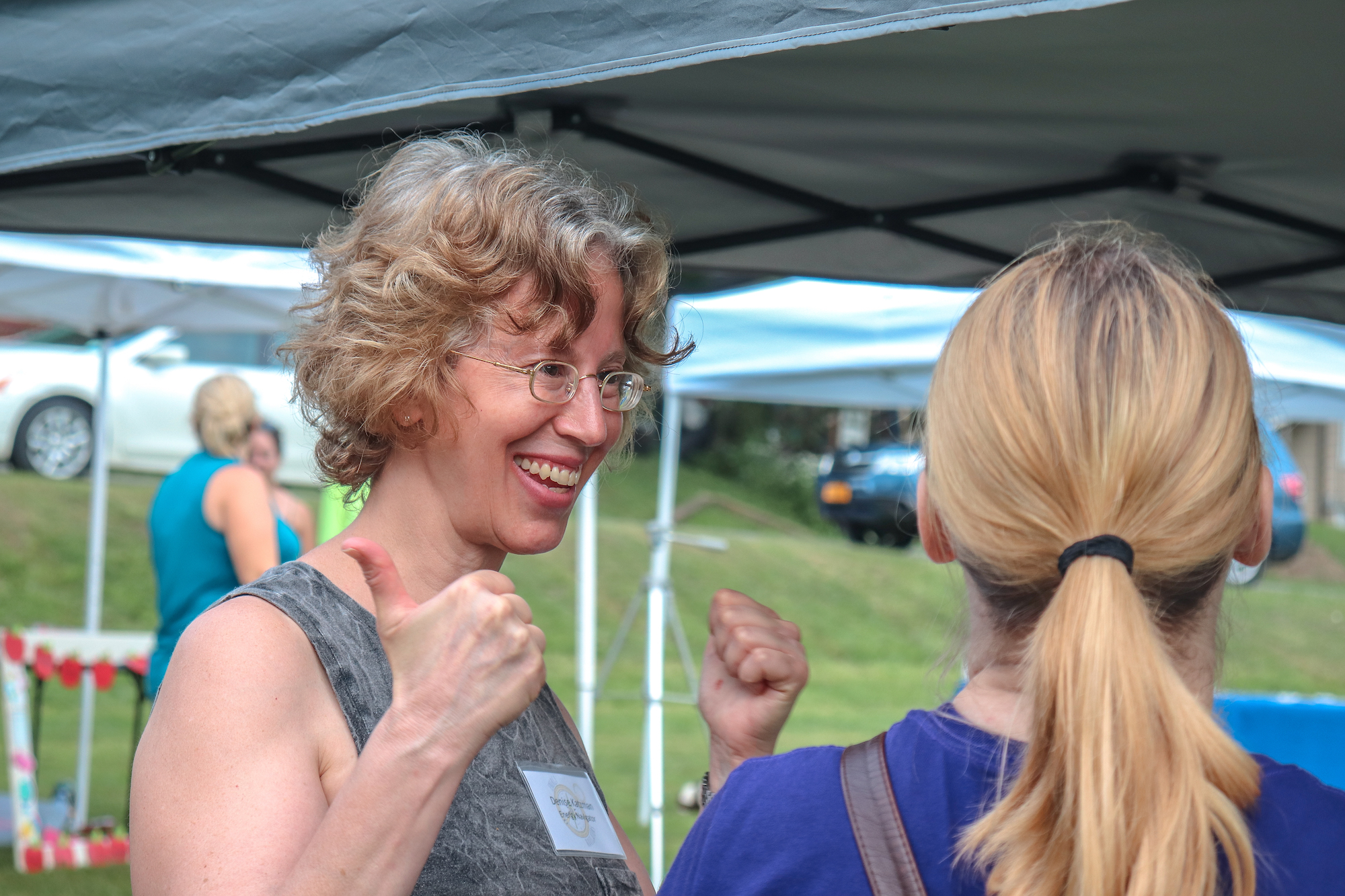
Denise Katzman, a current Energy Navigator, said she finds the program to be an excellent learning opportunity for both community members and navigators themselves.
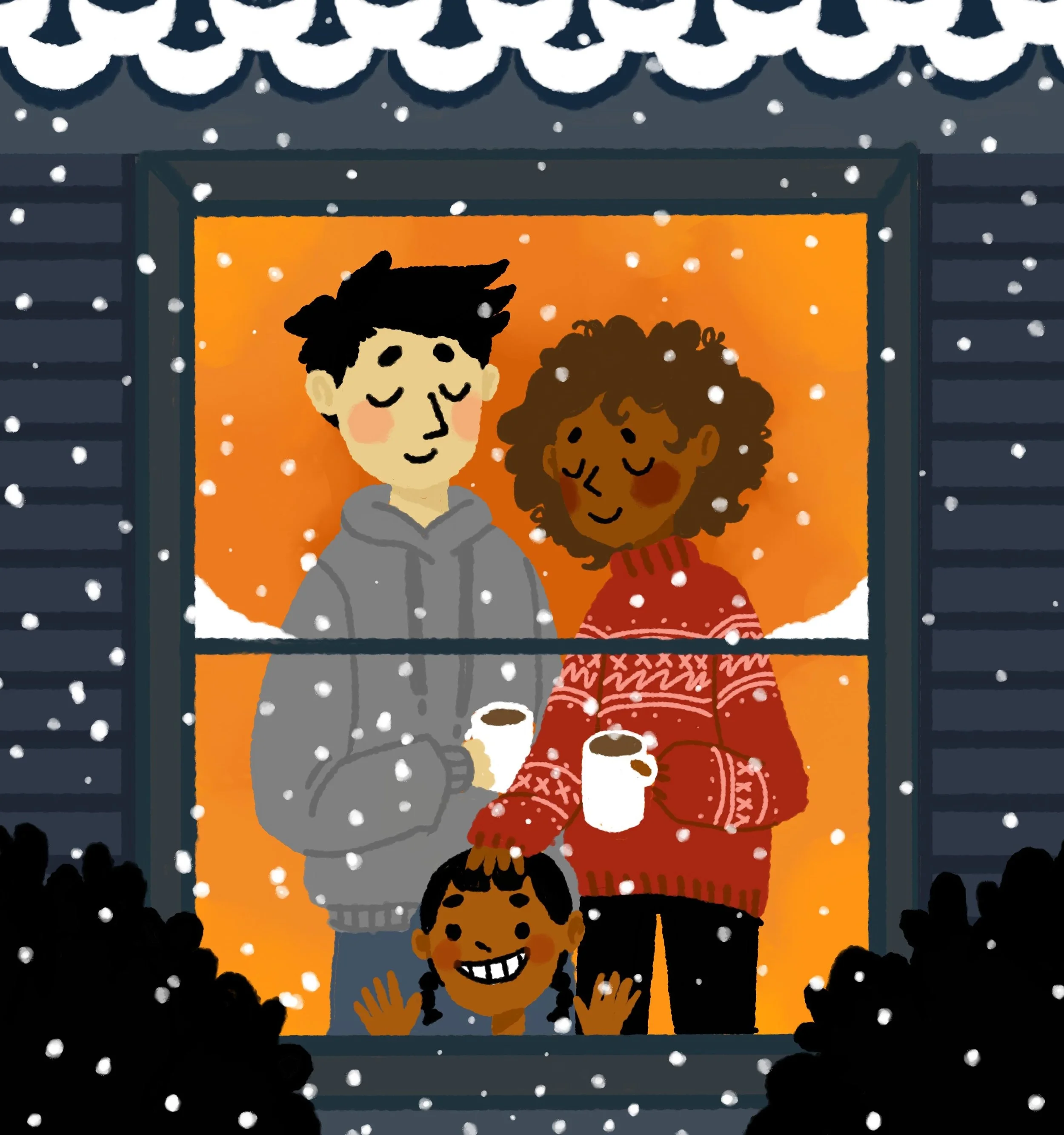
In New York State, heating is by far the biggest energy expense. It costs the average family between $800 and $2000 per year depending on heating fuel and other factors. There are actions you can take to cut these costs. Here are some tips to reduce your energy use and bills.
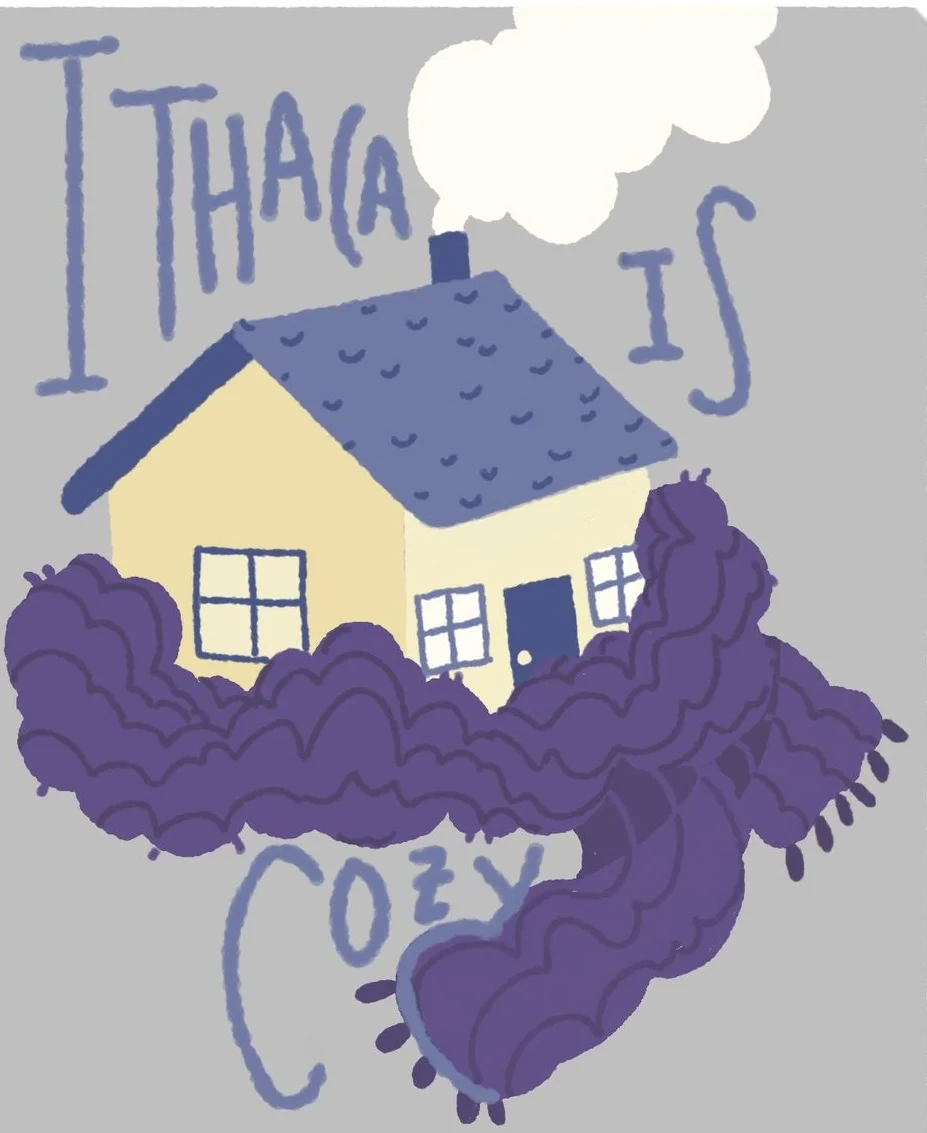
Anne Rhodes from the CCE-Tompkins Energy Team shares tips on how to heat smart and stay warm and cozy this winter, and why we should all care!
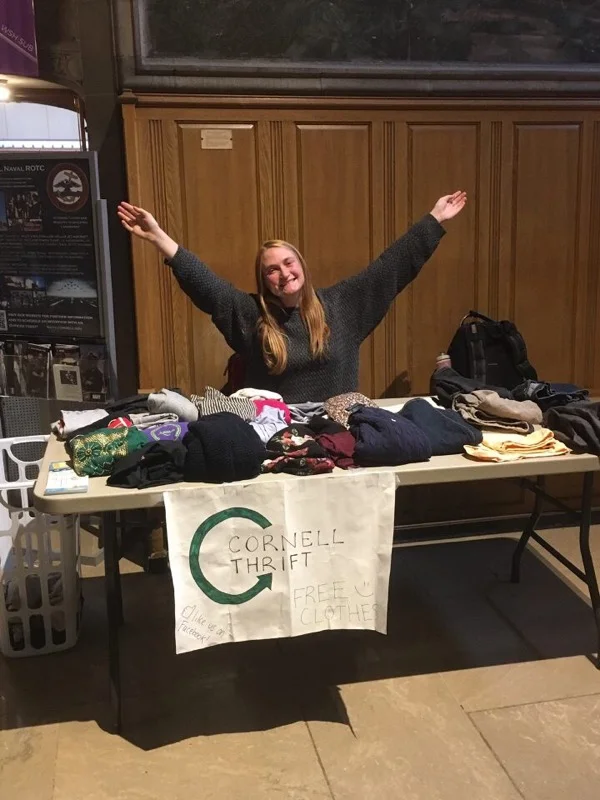
“Clothing can tell a story and that is something we often forget in the whirlwind of consumerism,” says Meghan Hayden, Executive Director of Cornell Thrift, when asked about the unexpected things that she learned through reuse, “There are so many ways to reuse used goods.”
What first comes to mind when you think of reuse stores? I know I think of cute clothes found at thrift stores and cool trinkets in the antique section. But there are actually so much more to reuse stores than a sustainable place to buy interesting items. Here are five things that you might not know about reuse stores in Tompkins County.
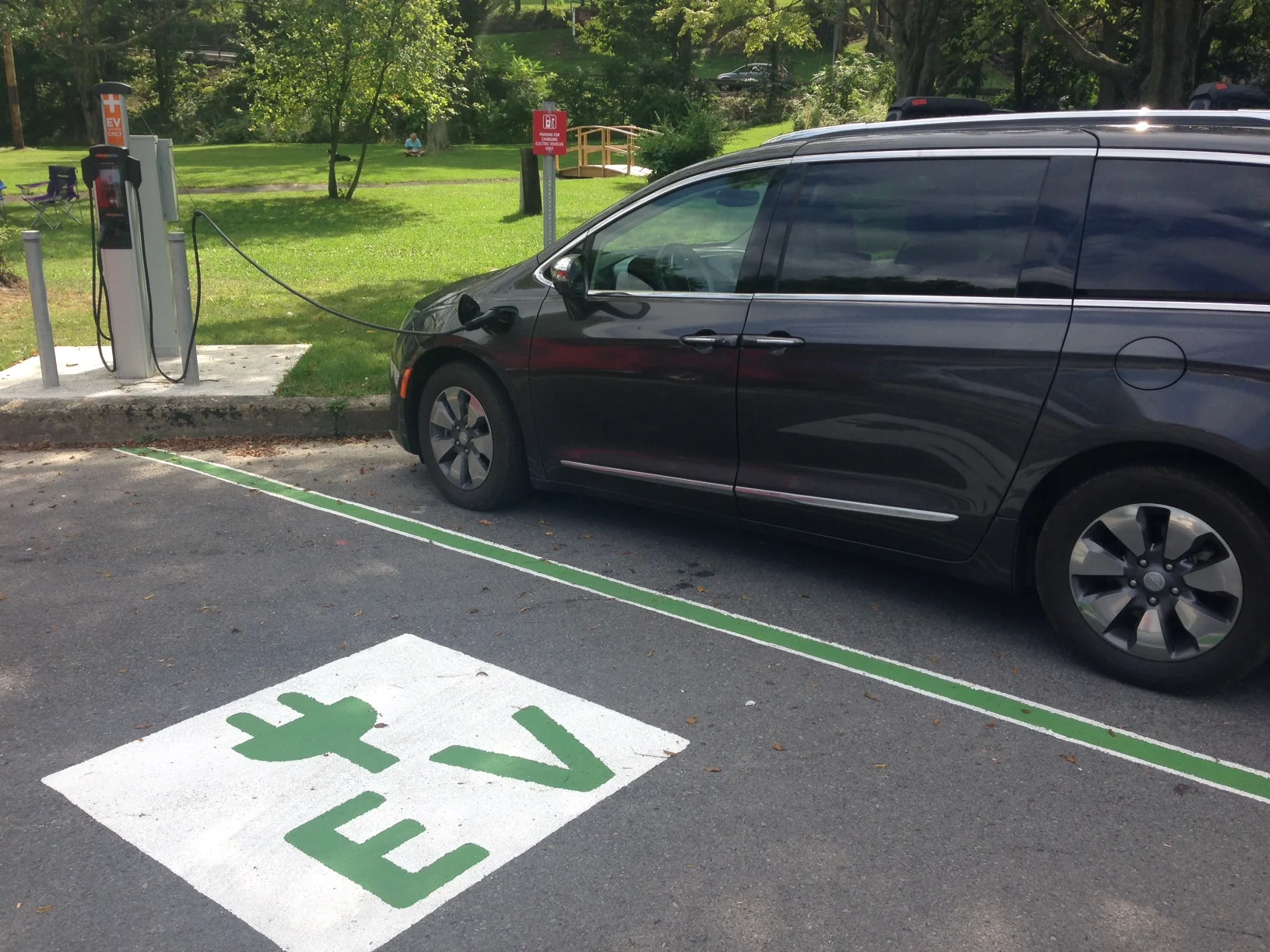
Can an all-electric vehicle work in Tompkins County? How long can you travel? Are they that much better for the environment? Aren’t they expensive? Can they save you money? If you’re thinking of going all-out on an all-electric vehicle, read on to learn the answers to these questions and more.
Starting in October 2020, Emily Belle serves as the Community Energy Outreach & Advisory Program Leader at Get Your GreenBack Tompkins. Although just starting her position, she is not unfamiliar with Ithaca, having grown up here; she graduated from LACS before going to Oberlin College in Ohio, majoring in Environmental Studies. Her interest in sustainability, especially with respect to farming and agriculture, started early with learning an appreciation for the environment and climate issues from local teachers and mentors and her parents, who are both educators.